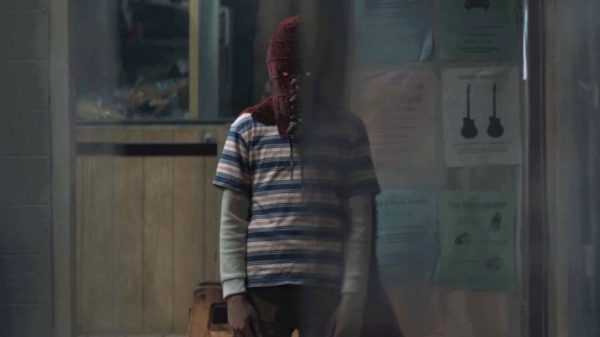
Director David Yarovesky’s gory horror film finds an infertile Kansas couple raising a burgeoning villain with super powers in a horrific treatment that draws influence from Superman’s origin story. [Read more…]
The curated portfolio of film journalist Joe Lipsett
Director David Yarovesky’s gory horror film finds an infertile Kansas couple raising a burgeoning villain with super powers in a horrific treatment that draws influence from Superman’s origin story. [Read more…]

Satanic Panic
“Cinepocalypse, Chicago’s premiere festival for electrifying and provocative genre cinema, returns to the Music Box Theatre June 13th for eight days of features, shorts, events and surprises, including eight fantastic break-out world premieres!”
Cinepocalypse is one of the hottest genre festivals in North America, so it’s always a delight when the screening schedule comes out. This year’s fest is already off to a great start with the announcement of a wide diversity of films, including a very welcome number of high profile projects from female directors including Gigi Saul Guerrer, Chelsea Stardust, Caryn Waecther, Veronika Franz & Severin Fiala and Pollyanna McIntosh. The buzz surrounding both Stardust’s Satanic Panic (a product of Fangoria Magazine’s film production wing) and The Lodge (a high profile Sundance acquisition from the directors behind cult classic Goodnight, Mommy) has been steadily building for several months.

Villains
The opening night feature is Verotika, the directorial debut from Misfits founder and punk/metal legend Glenn Danzig. Featuring a plot shrouded in secrecy, a soundtrack of new Danzig music, and based on the output of his comic book publishing company Verotik—a compound of “violence” and “erotic”—the feature film anthology is a realization of his lifelong love of comics and the dark arts that promises to “melt your face off” <gulp>.
Finally, in addition to new films from Lucky McKee and Joe Begos, one final film to keep an eye out for is Dan Berk and Robert Olsen’s buzzy SXSW film Villains (which my partner-in-crime Trace Thurman raved about in his festival review). The film, which stars Bill Skarsgård and Maika Monroe, finds the tables turned on two wannabe criminals when thievery runs a foul and the prowlers soon become the prey.
Festival badges are available now, and individual tickets go on sale Friday at noon CT at cinepocalypsegenrefest.com
Here’s the full festival program:
Achoura, dir. Talal Selhami
Attack of the Demons, dir. Eric Power
Belzebuth, dir. Emilio Portes
Bliss, dir. Joe Begos

Culture Shock
Hulu’s Into The Dark: Culture Shock, dir. Gigi Saul Guerrero
Darlin’, dir. Pollyanna McIntosh
Deadcon, dir. Caryn Waechter
Falling Down, dir. Joel Schumacher
Flatliners, dir. Joel Schumacher
Ghost Killers Vs. Bloody Mary, dir. Fabrício Bittar
GWAR Showcase
Hot Dog… The Movie, dir. Peter Markle
Kindred Spirits, dir. Lucky McKee

The Lodge
The Lodge, dirs. Veronika Franz & Severin Fiala
The Lurker, dir. Eric Liberacki
Mope, dir. Lucas Heyne
The Mute, dir. Bartosz Konopka
Punta Muerto (Dead End), dir. Daniel de la Vega
Rock N’ Roll Nightmare, dir. John Fasano
Satanic Panic, dir. Chelsea Stardust
The Swerve, dir. Dean Kapsalis
Tammy & the T-Rex, dir. Stewart Raffill
Total Recall, dir. Paul Verhoeven

Verotika
Verotika, dir. Glenn Danzig
Villains, dirs. Dan Berk & Robert Olsen
Why Don’t You Just Die, dir. Kirill Sokolov
What do you think of the line-up? What films are you most excited for?
Office politics are about to take a deadly turn.
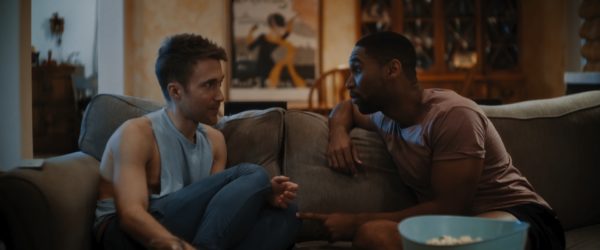
Making its debut at film festivals this summer is The Office is Mine, a biting and darkly comedic tale of workplace horror that reveals something about the competitive nature within us all.
The result of a creative collaboration between filmmaker & queer horror advocate Michael Varrati (Tales of Poe, He Drinks) and celebrated actor & filmmaker Ben Baur (Hunting Season, #Adulting), The Office is Mine is a searing, satirical, and blood-soaked portrait of what happens when we allow our perceptions of our social standing dictate our self-worth.
Written and directed by Varrati and based on a story concept by Baur, The Office is Mine stars Ben Baur, Chris Salvatore (the Eating Out franchise, The Quiet Room), and Navaris Darson (The Other Two, American Horror Story), with supporting cast that features Sarah Nicklin (Nun of That, The Haunting of Alice D), Phylicia Wissa (It Hits You When You Know It, Santa Clarita Diet), and Chris Baker (Baker Daily).
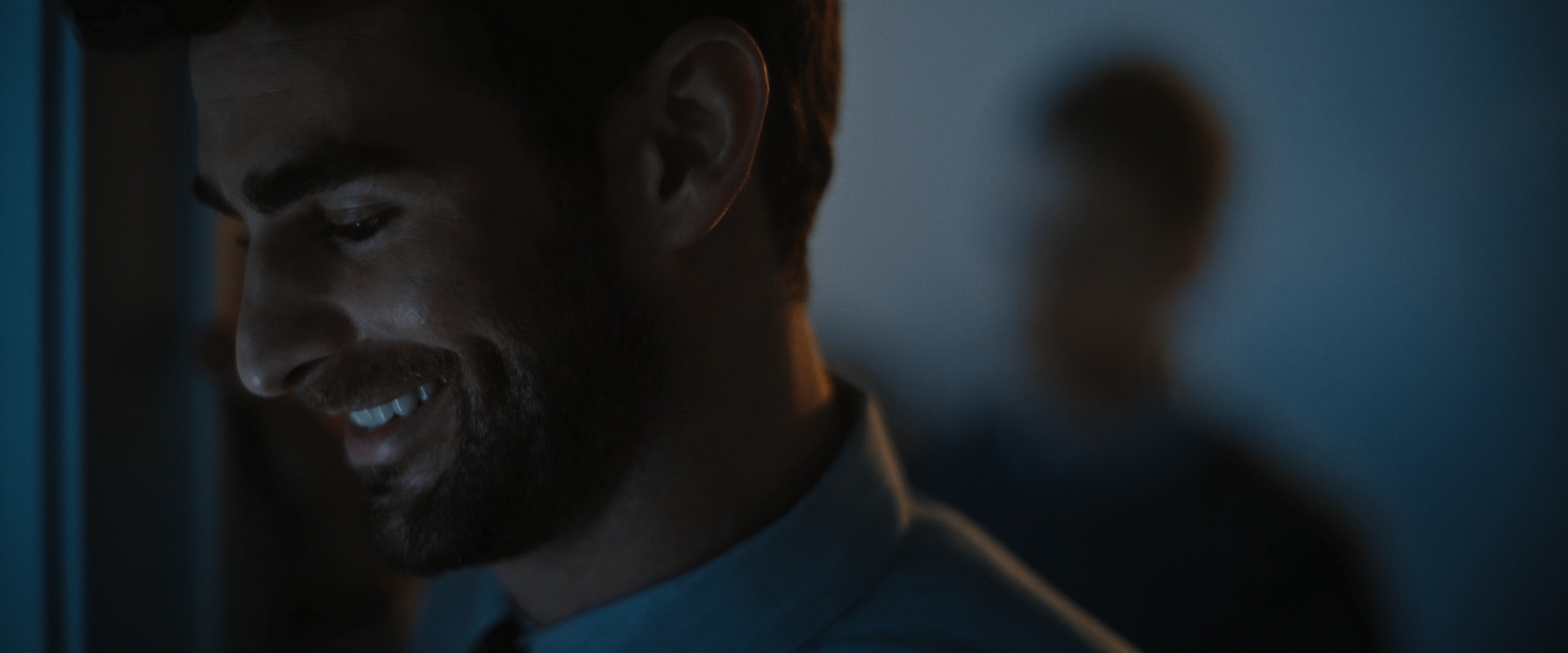
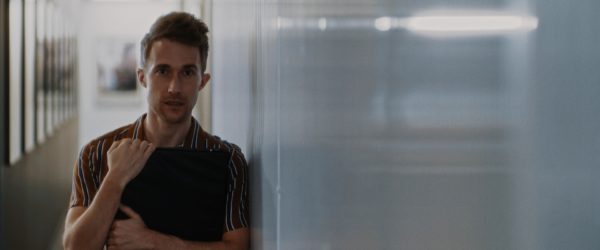
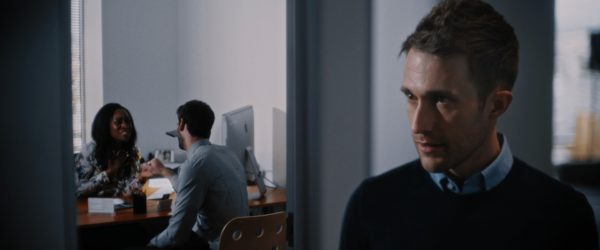
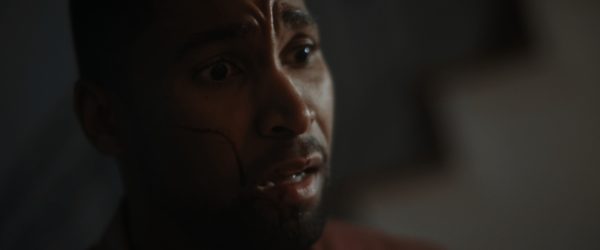
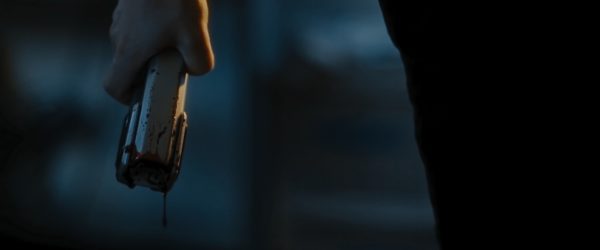
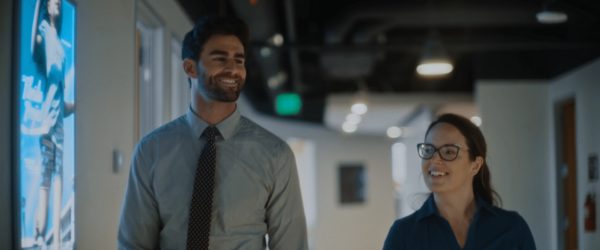
Synopsis: Despite the corporate monotony of his job, Zac (Baur) feels like he’s got it all figured out. As the “only gay in the office,” his penchant for hot gossip and “in the know” recommendations have assured his place as the most fabulous employee in another wise dull landscape. Or so he thinks. With the arrival of a new hire, the ultra-chic Tristan (Salvatore), Zac suddenly feels like the very thing that makes him stand out is in jeopardy. What’s more, Zac finds himself increasingly convinced that Tristan is intentionally trying to replace him. Despite the assurance of his boyfriend, Owen (Darson), that all is fine…Zac can’t help but slipping further into a world of paranoia and self-doubt. As Zac’s world begins to unravel, it sets him on a collision course with Tristan…who may or may not be all that he seems. As the two men propel toward a violent and unpredictable confrontation, only one thing is certain: The office isn’t big enough for the both of them.
The Office is Mine is set to debut on the film festival circuit this summer, with a premiere date to be announced. Check out the promotional stills below, including several exclusive pictures unavailable else!
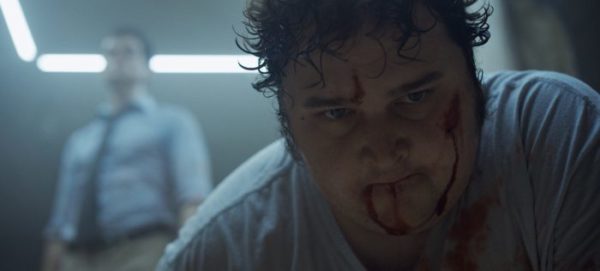
There’s plenty of horror to be wrung out of the idea that something is “too good to be true.” In director Daniel Robbins’ latest film, Pledge, the phrase is put to the test when a trio of College freshmen discover a social club whose seemingly perfect facade proves to be a front for something far more malicious and sadistic. [Read more…]
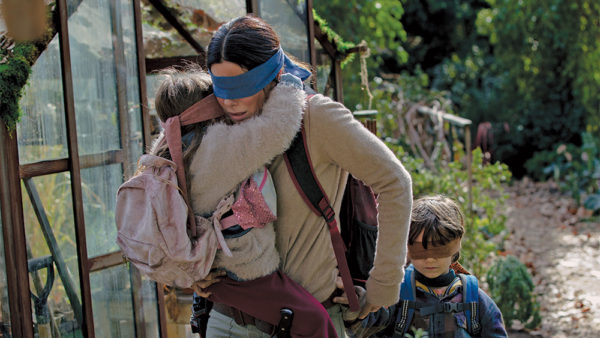
In He Said/She Said, critics Joe and Valeska dissect a film in a back and forth email exchange. Previously, we adopted a crazy ersatz child in Jaume Collet-Serra’s 2009 Orphan. This time, we’re just trying to survive a less hilarious modern take on The Happening with Susanne Bier’s Bird Box (2018) [Read more…]
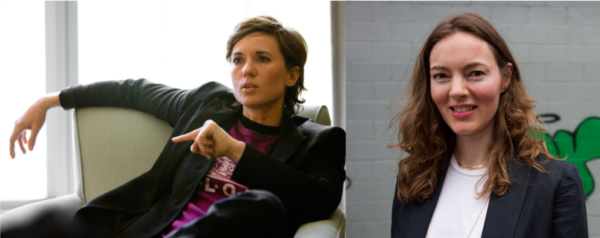
Kimberly Peirce and Stewart Thorndike
At a recent panel on queer horror last month, I was struck by a comment from co-panelists Katie Connell and Joshua Dare about the current state of queer female-identifying horror directors. The discussion began with a definition and brief historical overview of queer horror, then shifted into a survey of the current state of representation. Concerns about the tendency to spotlight films featuring gay men at the expense of their lesbian counterparts gave way to a cautiously optimistic listing of recent films featuring out and proud women. As we rattled off a number of films, however, we discovered a strange pattern: nearly all of these films were directed by straight white men.
Let’s backtrack a little to consider the current state of queer horror, which has notably made a number of gains and increased prominence in the last twenty years. A recent guide created by Vulture entitled “55 Essential Queer Horror Films” identified key shifts in the 21st century that reduced the stigma around queer characters, thereby enabling them to move from marginal to central, sometimes even lead, roles. In the 2000s, films such as Hellbent, High Tension and Seed of Chucky offered visible, albeit problematic, depictions of gay men, lesbians and trans characters.
With the advent of gay marriage in the 2010s, queer figures in horror have become even more normalized, nuanced and fleshed out. The result has been some of the most intriguing texts to date, the vast majority of which are about queer females. Films such as Jennifer’s Body (Kusama, 2009), All Cheerleaders Die (McKee, 2013), The Neon Demon (Winding Refn, 2016), Thelma (Trier, 2017), What Keeps You Alive (Minihan, 2018) and Blue My Mind (Bruehlmann, 2018) all feature complicated and fascinating lesbian characters.
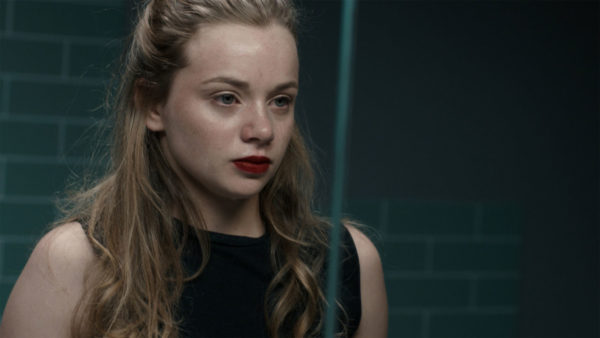
Bruehlmann’s Blue My Mind
A cursory glance, however, reveals that all but two of those films were directed by straight white men – a number that is worth pausing over. While there is obviously nothing that restricts one group from telling the stories of another, the lack of female directors is note-worthy, particularly given the problematic historical depiction of lesbians as a source of titillation for the male gaze.
This disjunction is not severe when compared to publicly “out” gay male directors, who have become increasingly prominent in recent years. Renowned master of horror Don Mancini has kept Chucky and the Child’s Play franchise alive and sexually subversive for 30 years. Up and coming directors Chris Peckover (Better Watch Out) and David Freyne (The Cured) have both delivered horror films that play with notions of masculinity and lends themselves to queer takes. And recent Oscar winner Luca Guadagino’s Suspiria, featuring a nearly all-female cast, is filled with sexual connotations and feminist readings.
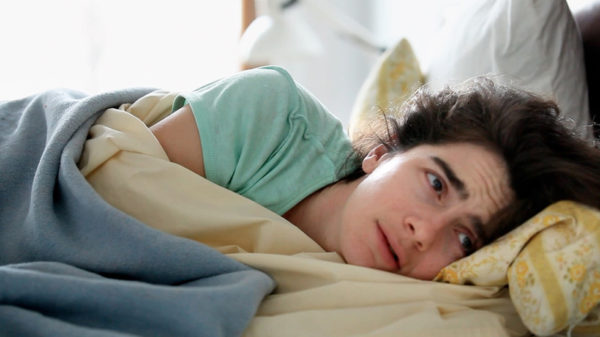
Stewart Thorndike’s Lyle
The simple fact is that representation and visibility matters. Even in horror fandom, there remains a frustrating need to explain why female characters and creators matters, although the recent uptick in feminist horror criticism that began with AxWound and Women in Horror Month and continues now with publications and sites such as Grim Magazine, Anatomy of a Scream, Suspiria Magazine, Graveyard Shift Sisters and Diabolique Magazine bodes well for the future.
Let’s return to the question at the heart of this debate: where are all of the queer female-identifying directors? Despite the disheartening statistics about the ratio of female to male directors (and in spite of Jason Blum’s hastily corrected statement about the lack of women interested in directing horror), the horror genre is flush with talented women. “Out” female queers, however? Not so much.
A deep dive online (and help from HorrorTwitter) revealed only two feature filmmakers: Kimberly Peirce, who directed the 2013 remake of Carrie, and Stewart Thorndike, who directed indie micro-budget “lesbian Rosemary’s Baby” film Lyle (2014). Singer St Vincent (nee Anne Erin Clark) directed one of the segments of the all-female horror anthology, XX (2017), though she seems unlikely to return to the director’s chair in the near future. There are undoubtedly a number of other up and coming talents working in horror shorts, including Monika Estrella Negra, who is currently crowdsourcing the funding for her first feature, Two Sisters.
Despite advances in queer visibility both on and offscreen, there remains a gap in the horror genre. It is possible that filmmakers prefer to leave their mark on the screen rather than publicly disclose details about their personal lives, but the fact that there are so many heterosexual white men telling stories about lesbian characters in horror films is a potentially problematic trend. On the cusp of what Vice is calling “the rebirth of lesbian horror movies”, let’s hope that a number of proud, “out” queer female-identifying directors emerge from the shadows to ensure their onscreen proxies bear an authentic touch.